
Film FAQ's:
What are the advantages of filming in South Africa?
South Africa is ridiculously diverse; mountains, deserts, forests, oceans, cities, mansions, game reserves, suburbs, townships, squatter camps… you name it, we’ve got it. You can shoot just about any story here without leaving the country.
We also have a highly skilled industry infrastructure thanks to the many international productions that shoot here (especially in Cape Town). There are world-class sound stages, lighting and camera rentals, post-production houses… everything you’d expect in Hollywood, just at a fraction of the price.
And that’s the big draw: it’s cheap. Our currency is weak against the dollar and euro, which means international productions can film here for next to nothing. Crews, cast, extras, locations – all cost far less than they would overseas.
What are the downsides of filming in South Africa?
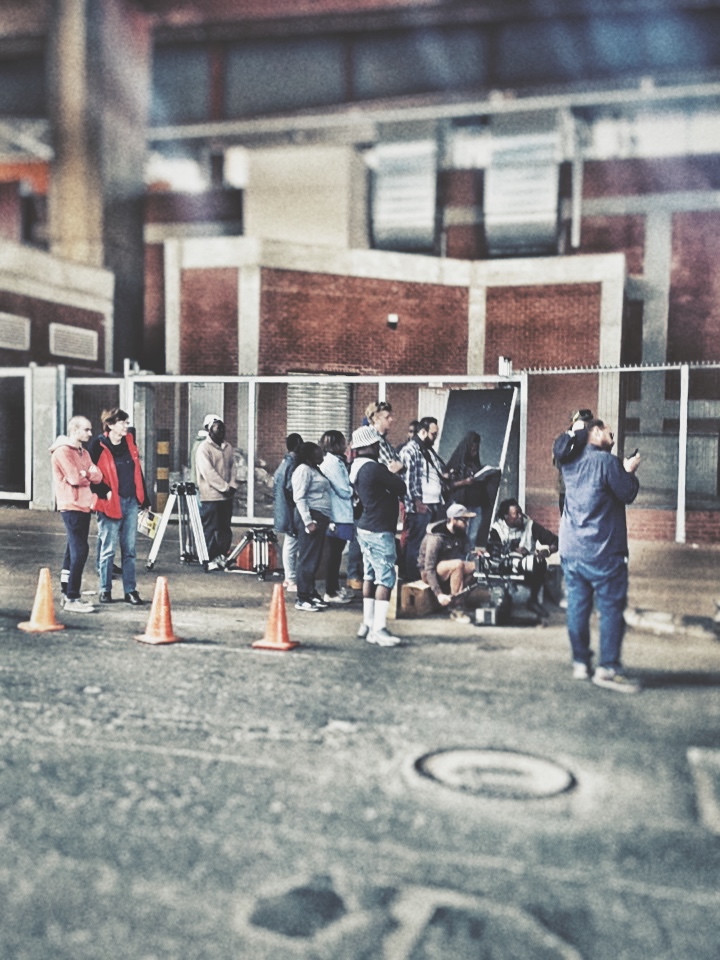
The problem is, that same affordability that attracts big studios doesn’t really benefit local filmmakers.
International productions swoop in, pay everyone as little as possible, and move on. It keeps the machine ticking… but it doesn’t exactly nurture homegrown storytelling or raise industry standards.
Local filmmakers have become experts at making something out of nothing. Budgets are tiny, timelines are tight, and creative compromises are the norm. South African crews are brilliant and resourceful – but you rarely see truly world-class, internationally award-winning local films being made on South African budgets. There’s simply no money to push things to that next level.
This is especially frustrating for people like Nick (a perfectionist), who doesn’t just want to make films — he wants to make good films.
In this business, money buys you one crucial thing: time. Time to refine a performance. Time for a fourth or fifth take. Time to straighten a skew painting on the wall before the camera rolls. Time for proper pre-production rehearsals or something as basic as a thorough wardrobe fitting for key cast members.
Things that are considered non-negotiable in Hollywood or Europe are treated as luxuries in South Africa.
So when you’re hurtling from scene to scene on a shoestring schedule, unable to afford table reads or rehearsals — and your three-person production design team is doubling and tripling up on roles (your set decorator is also the props buyer and manager; your production designer is sourcing wardrobe online at 1am; your actor-slash-co-producer is making sure the toilets don’t run out of loo paper)… well… is it any wonder we’re not producing Oscar-worthy material?
What are the challenges of getting a film funded in South Africa?
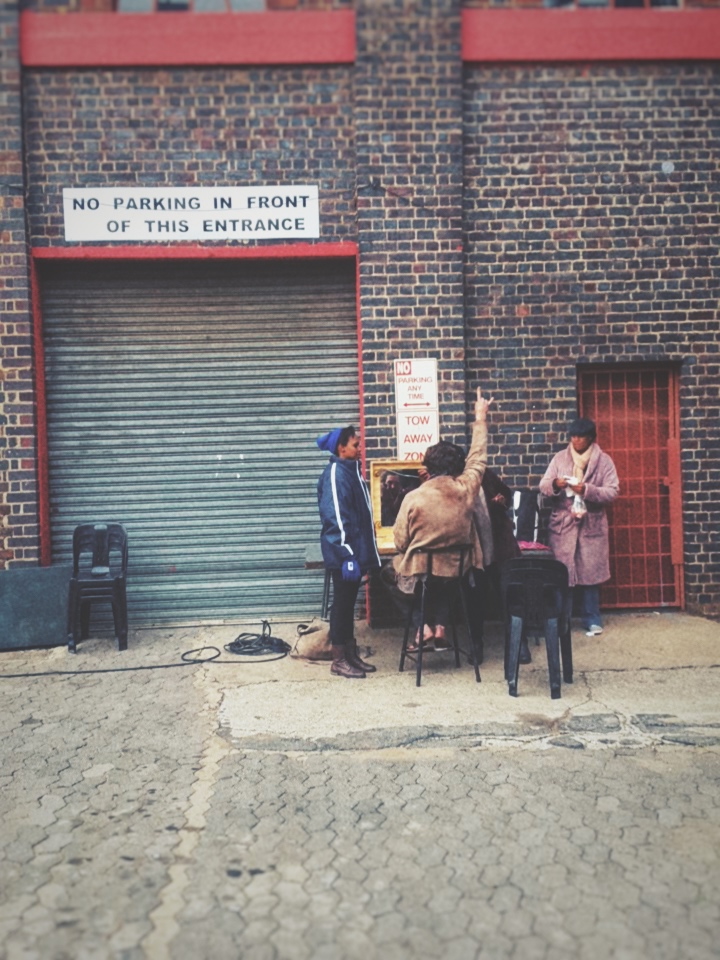
Funding is one of the toughest parts. If you want your film to be made and seen, you basically need a local distributor or broadcaster on board… and each has a very narrow idea of what “sells.”
Here’s how it usually works (though nobody ever says it out loud):
Top of the list is what’s politely called “African content.” What that really means is stories about Black & Brown South Africans. And to be crystal clear – I have zero resentment about this. I completely understand (and fully support) the focus on getting more Black & Brown African stories made and seen. It’s vital, long overdue, and a fantastic opportunity for those storytellers to share their own narratives authentically.
Next on the list are stories about white South Africans… but only if the protagonists are Afrikaans and the film is primarily in Afrikaans. (The Afrikaans market is loyal and dependable, so there’s always demand for content in that space).
English-speaking South African stories (especially those with white protagonists) are seen as unreliable investments — because, as we’ve been told, “it’s cheaper to license an American film.”
It’s a creative Catch-22: either adapt your story to fit the box or… you don’t get funded at all.
Isn't Netflix changing things for South African filmmakers?
Not really... at least not in the way many of us had hoped.
Netflix Africa has opened doors, particularly for Black and Brown filmmakers who might never have had the chance to tell their stories through the usual local networks. Some have been given real opportunities (directing, writing, and showrunning projects that would never have been greenlit elsewhere). And while the budgets are still modest by international standards, they’re a massive improvement on what M-Net, KykNET, or the SABC would typically offer.
For context: some of these projects have received budgets of around R16 million (or more). In the US, that would barely cover the catering bill but in South Africa, it’s a huge deal.
That said, for most people working in the industry — the cast, crew, and day-to-day production teams — things haven’t changed much. The rates are still largely local (maybe slightly higher), and the working conditions remain the same: long hours, tight deadlines, and everyone performing small miracles on half a shoestring.
So while Netflix has shifted the landscape for a few, the everyday reality for the majority of South African filmmakers still looks much the same.
Why not just move to Europe or the UK?
It’s a fair question…and one we’ve asked ourselves more than once.
Although I was born and raised in South Africa, I’m a British citizen (my dad’s a Brit), and Nick and the kids are EU citizens (Greek), so technically we could relocate without too much hoo-ha. But starting from scratch in a new film industry where nobody knows your name is daunting.
In South Africa, Nick is a respected editor with decades of experience and a solid reputation. The work — while not wildly lucrative (and not always creatively thrilling) — keeps flowing nonetheless.
In Europe, we’d be newcomers. Unless we immediately connected with people who understand what we bring to the table, we’d be starting at zero… and do we really want to start at zero?
…. prob’ly not.
What would be your ideal filmmaking dream-come-true scenario?
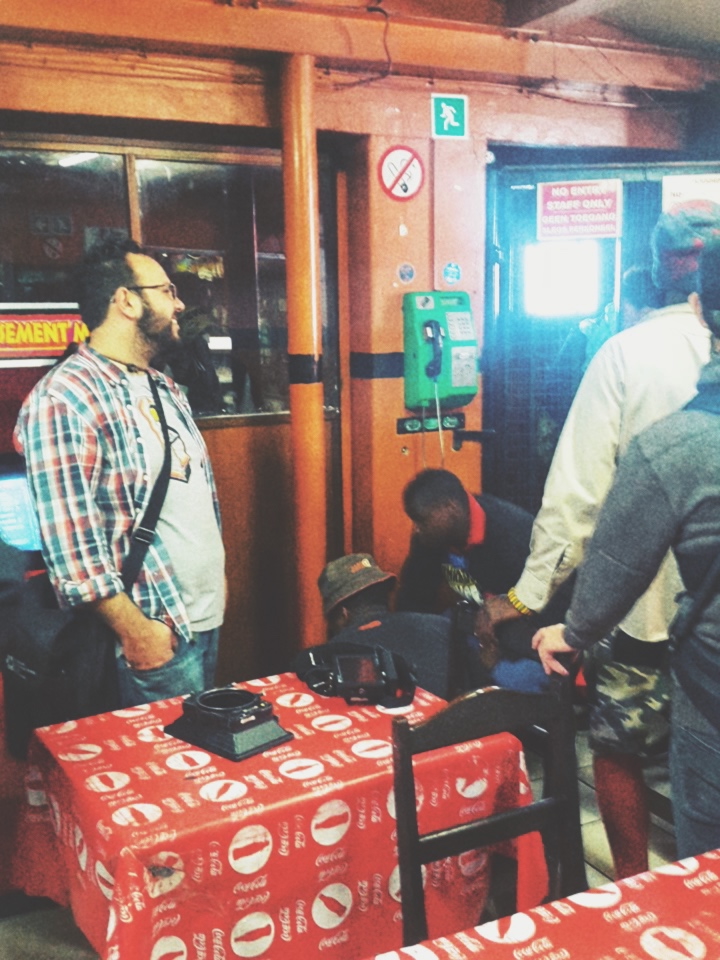
In my ultimate dream-come-true world, we’d get to live and work in both places: spending part of the year in South Africa and part in Europe. Our ultimate goal would be to make our own films together as co-directors — telling stories that are meaningful to us (or simply… a shit-load of fun!).
That’s not to say we wouldn’t work on other people’s projects… Nick – the primary filmmaker in our family – still enjoys editing and collaborating. The dream would just be for him to have the freedom to choose the projects he’s keen to work on, instead of having to accept whatever work is thrown his way (just to keep the lights on).
Ideally, we’d shoot in South Africa where we know the scene and have our “A-Team” … but we’d get funding & distribution deals from abroad.
South Africa has all the right ingredients: incredible locations, talented crews, and soooo much creative energy. Pair that with decent funding and international collaboration, and the results could be extraordinary.