
Book FAQ's
Why did you self-publish? Why didn't you approach a literary agent or a publisher?
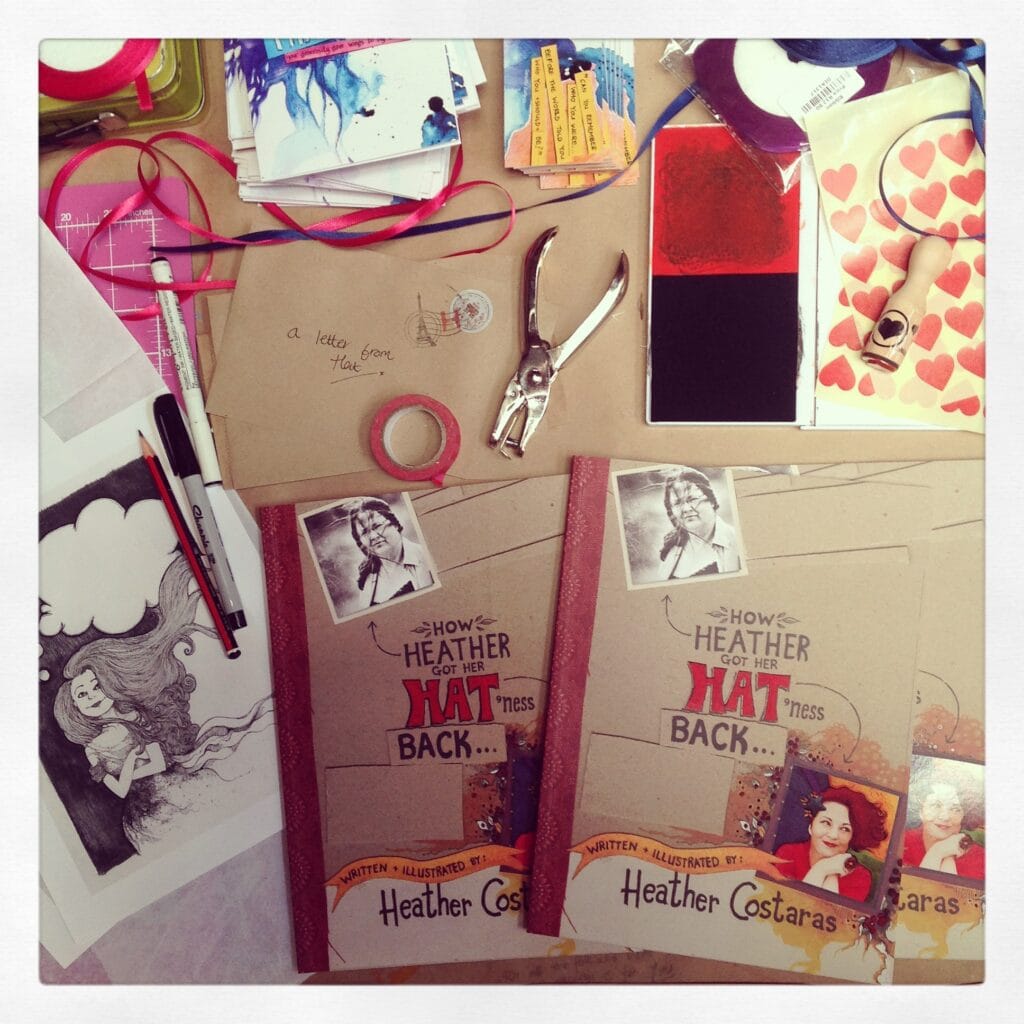
Because even the word “approach” makes me want to assume the foetal position emotionally. “Approach” is code for “march confidently into a professional space and foist myself upon strangers.”
I just… can’t.
“Approach” = SELL.And more terrifyingly, it means: SELL MYSELF!!!
And I am deeply allergic to selling / promoting myself or anything I’ve made.
Don’t get me wrong… I’d love to be represented by a literary agent! I’d love to see my books magically appear in bookstores! I’d love to be invited to speak at events, and I’d absolutely love for people to buy my work!
It’s just that **I** don’t want to be the one doing the approaching / selling or… (whispers: foisting!).
The mere thought of trotting up to some literary gatekeeper… illustrated manuscript in hand, sporting a smug little “I believe in myself!” grin… makes me want to crawl into a bin and live there forever.
I’d rather gnaw off my own pinkie.
I’d rather snort Vim.
I cannot and will not foist. Why? It’s ’cause I’m a fragile little biscuit with an aggressive case of imposter syndrome.
So, instead of trying to charm agents or publishers – attempting to convince them that I belong in their world (when Idon’t even believe I belong in their world)… I just… skipped past all that and self-published.
Quietly. Like a ninja. In the night.
Like the chicken-hearted snowflake I am.
How do you self-publish books?
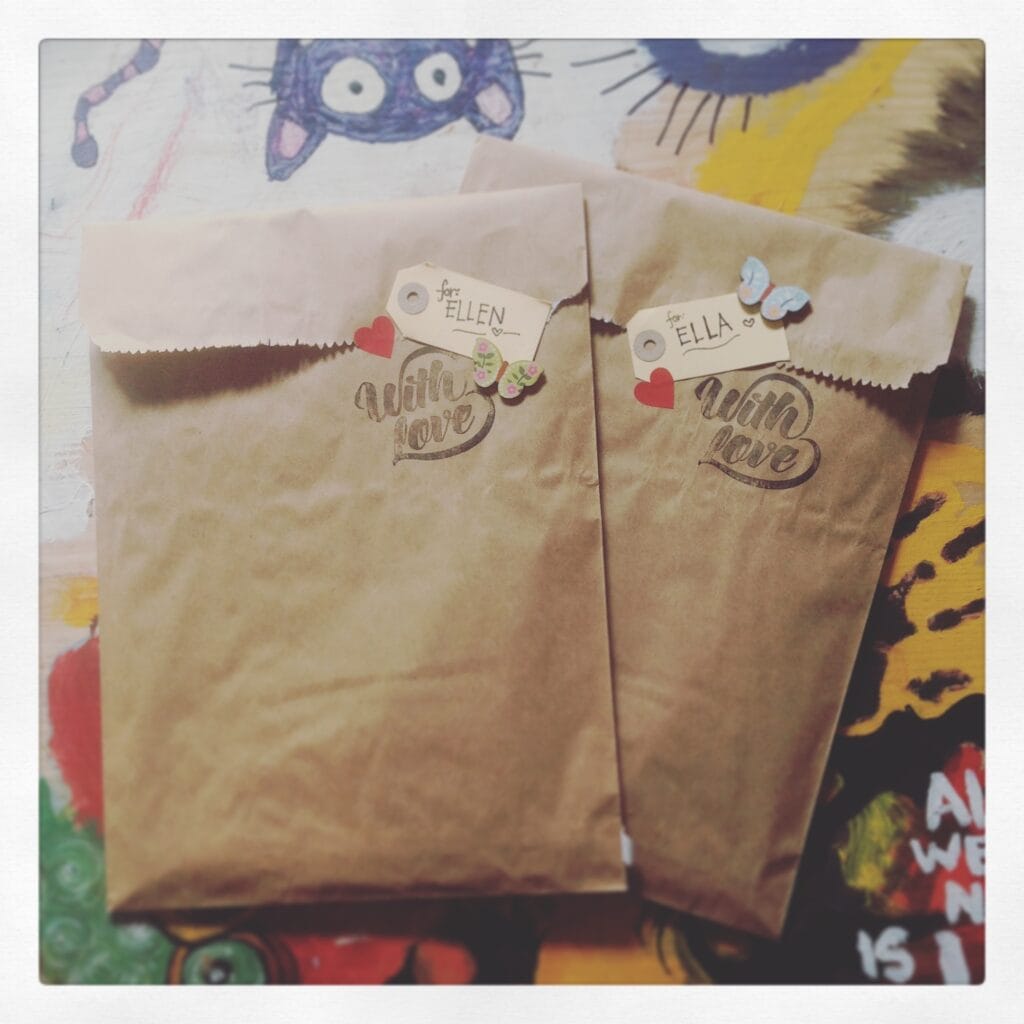
I have a background in graphic design, so creating my own books is fairly straightforward — no need to outsource.
For example, my first self-published book, How Heather Got Her HAT’ness Back, began with a pile of hand-drawn illustrations. Once they were complete, I took the original pages to ORMS Print Room in Cape Town, where they were professionally scanned and saved onto a flash drive. From there, I assembled everything in Adobe InDesign — layout, cover design, barcode, bleed, and all the other technical bits printers love.
The final high-resolution PDF went to a printer in Cape Town for the physical copies, and I also uploaded it to Amazon’s KDP service for the print-on-demand version.
Litho-printing over a thousand full-colour books (with a spot varnish on the cover) was an expensive undertaking… but I was incredibly fortunate. My loyal blog readers had suggested (and enthusiastically supported) a crowdfunding campaign to make it all possible.
Why can't I find your books in my local bookstore?
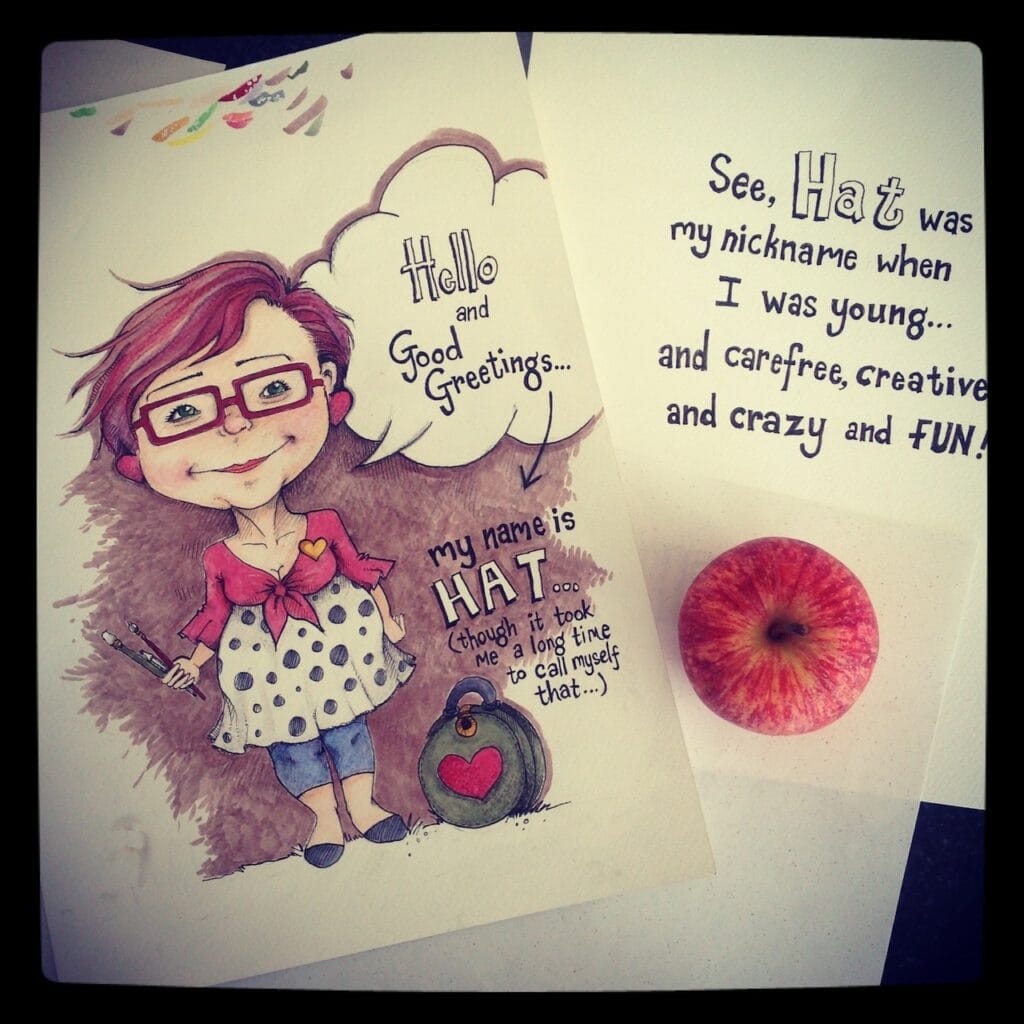
Short answer: because I’m self-published.
Slightly longer answer: most bookstores only stock books that come through large distributors or traditional publishers. Those publishers work with literary agents, who work with distributors, who work with bookstores… and somewhere down that long chain, the self-published author (that’s me) doesn’t have a seat at the table.
It’s not that bookstores dislike independent authors — they just tend to wait until there’s some buzz or customer demand before ordering self-published titles.
While I can make my books visible in their ordering system (through distributors like Lightning Source or IngramSpark), that doesn’t mean they’ll automatically appear on shelves. Someone has to specifically ask for it — or enough people have to ask for it — before a store decides to stock it.
And since I don’t have a literary agent, a publishing deal, or a marketing department (just moi in a forest), it’s entirely up to me to spread the word.
And… I have… issues when it comes to this stuff (see: foist-phobia).
I don't want to buy your books off Amazon. Can't I get them somewhere else?
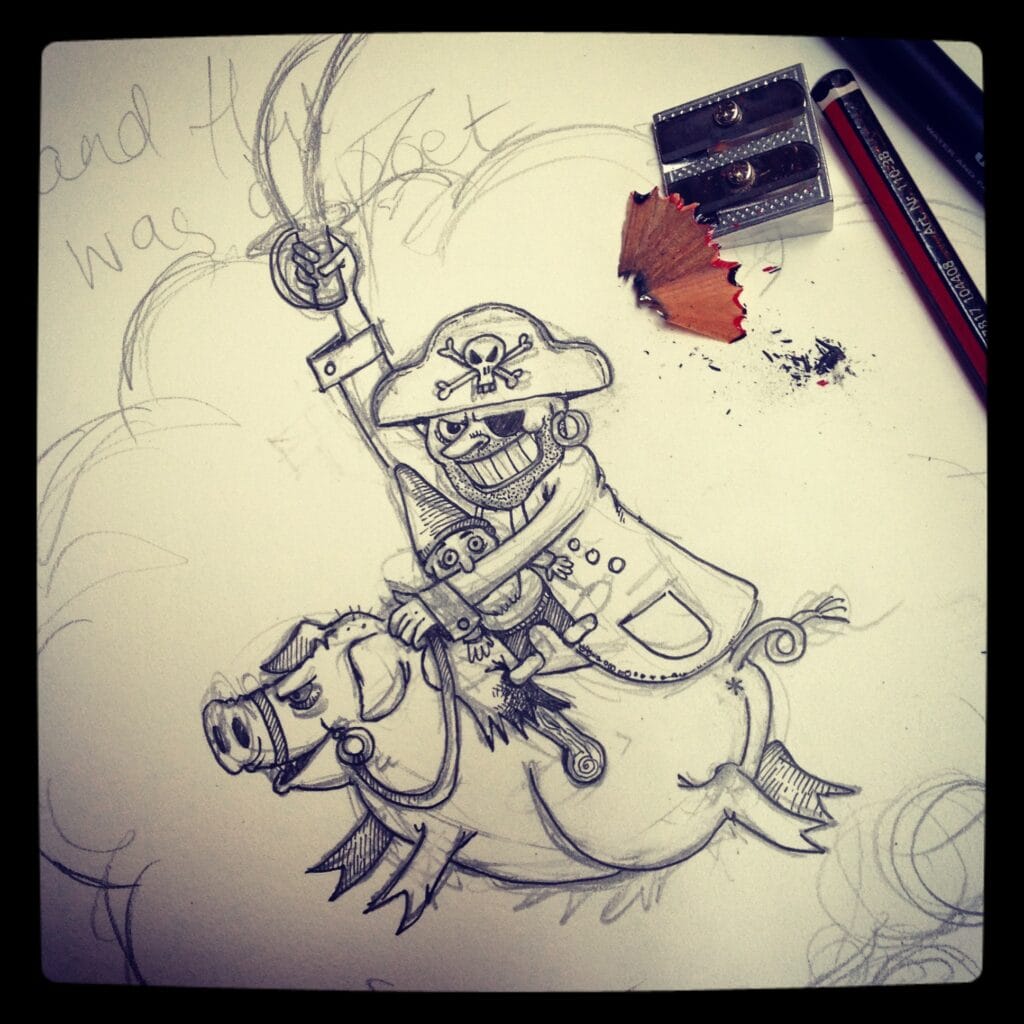
I wish I knew of an easy, affordable way to sell and ship books worldwide… I’m still trying to solve that riddle!
For now, I use Amazon for one simple reason: they offer a print-on-demand (POD) service. That means they handle everything — taking orders, accepting payments in every currency imaginable, printing the books, and shipping them anywhere in the world. I don’t touch the product at all.
Of course, the trade-off is that Amazon takes most of the profit. I make between $2 and $5 per book, depending on which version you order. After taxes and bank fees – it’s significantly less.
The Amazon.co.za version is a little different — it’s not a POD copy, but the original locally printed edition. I personally shipped a box of those to Amazon’s South African warehouse.
Speaking of those first-edition copies, I still have some here at my home in KZN Midlands, South Africa, and I can ship them internationally via DHL. But (brace yourself)… the postage costs more than the book itself. That’s the downside of living on the southern tip of Africa!
I’m still exploring better international options, so stay tuned… I promise, the moment I find a more affordable way to get books directly to readers, I’ll shout it from the rooftops.
PS: If you’re someone who can solve this problem for me – I’d love to hear from you!
Are there any differences between the books you printed yourself and the books sold on Amazon?
Hardly any!
These days, print-on-demand (POD) technology is so advanced that you can barely tell the difference between a POD book and one printed on a traditional litho press. The Amazon-printed version of my book looks and feels beautiful (they sent me samples and I was genuinely impressed with the quality).
Both editions are the same size, and the content inside is identical.
The original first edition just has a few extra design flourishes:
A spot varnish detail on the front cover (which the POD version doesn’t have).
An extra thank-you page at the back — listing all the wonderful blog readers who helped fund that first print run through crowdfunding. (The Amazon version wasn’t crowdfunded, so it doesn’t include this page.)
Glossy interior pages, compared to the high-quality matte paper used in the Amazon edition. (Honestly, I prefer the matte pages – if I reprint my book using litho, I’d try to source that same matte paper.)
Printed inside covers featuring a patterned illustration (see photo on left), whereas the Amazon version’s inside covers are plain white.
The hardcover edition (available only on Amazon.com) has the same content as the paperback — just with a slightly different cover design and, of course, a sturdy hard cover.
So yes, there’s a few small aesthetic differences… but in essence, it’s the same book.
Can we recite your poem in any sort of public arena, ie: on social media or on stage as part of a play, etc?
Short answer: For the most part – yes! (but with a couple of caveats).
Slightly longer answer: I’m thrilled when people want to read or perform my rhyme. If you’ve got a copy of the book and want to:
Read it aloud on social media (with a little show-and-tell of the pages and pictures),
Perform it on stage at a local event, or
Share it in a classroom as part of a discussion or lesson,
…that’s fine by me – in fact, I encourage it! The more folk who hear the poem, the more chance it has of reaching those who’ll love it most.
All I ask is that you:
Credit me clearly.Please tag me and include a link to this website or my official accounts when you share my work.
Don’t change the words.You’re welcome to leave out bits, but please don’t rewrite or edit the poem.
Don’t use it for profit without asking.Sharing it for free on social media, in classrooms, or community events is lovely.
But if you’re planning to use it in a way that earns you money – we’ll need to chat first and agree on something fair.
Important note about classrooms and digital use:
Sharing the book physically in your class: yes.
Scanning the entire book to create your own digital slideshow: no.
That’s because I license an official digital slideshow (with a teacher’s guide) to schools, and that’s the version to use if you want to project the book or show it to larger groups.
So, to put it simply:
- SHARING spreads the Hat’ness & love! 🥰
- DUPLICATING (scans, re-prints & knock-offs) undercuts it 😡
- PLAGIARISM (aka: pretending you wrote it) is theft… and super-ick! 🤮🤬
If you’re unsure whether your idea is fine or needs a quick thumbs-up – just drop me a message. I promise I don’t bite. 😊
Thanks for being awesome, respectful humans and for helping this book reach the people it was meant to reach.